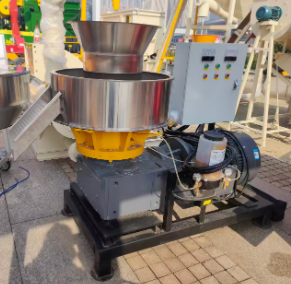

When a pellet press suddenly stops making good pellets, the press is the last thing to suspect. A single stone that has travelled through the mill and lodged in a die hole will block that hole for the rest of the die's life, and the operator compensates by raising steam and pressure, which wears the rest of the plate. Broken hammer mill hammers almost always mean metal — a piece of wire from a bale, a bolt from a bag, a nail from a pallet. Neither failure is a machine fault. Both are front-end faults.
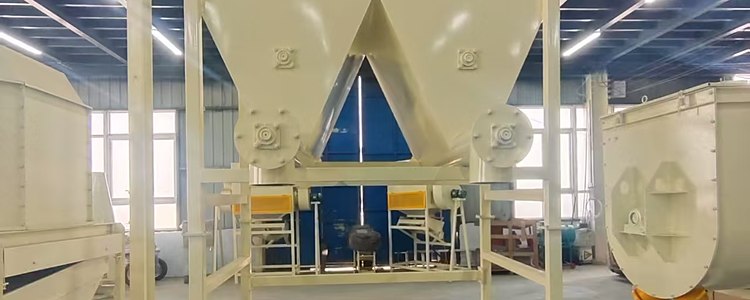
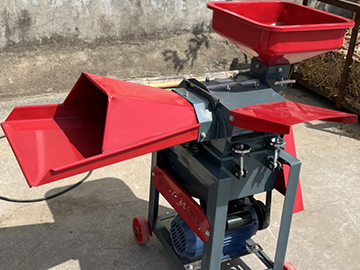
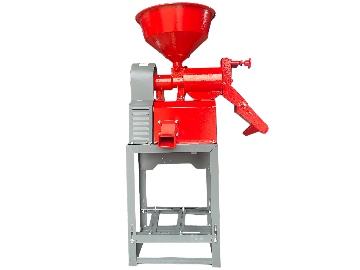
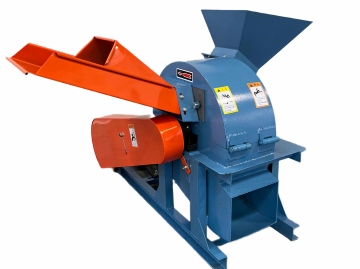
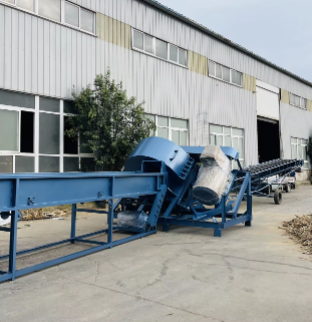
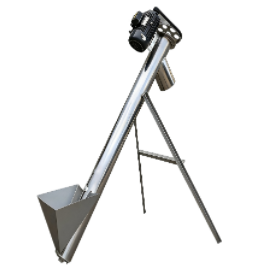
The front end of a feed line is a short sequence with a long memory. Material is tipped into an intake hopper, lifted by elevator, passed over a rotary screener that takes out stones, clods and oversize trash, then over a magnetic plate or drum before it reaches the grinding bin. After grinding, the air from the mill goes to a cyclone and then to a pulse-jet filter, and the collected dust is either returned to the meal or bagged off. Every one of those stages exists because of a specific failure that happens without it.
Three details decide whether the front end actually works. The screen aperture has to match the material, not the catalogue: a 2 mm screen on pelleted raw material blinds in a week, while the same screen on maize and soybean meal runs for months. The magnet must sit before the mill, not after it, and it has to be cleaned on a schedule — a plate that is never wiped is a plate that releases its catch back into the flow on the next shift. Dust collection needs more than one suction point: the tipping hopper, the elevator head and the mill outlet each produce dust at a different rate, and a single small duct at the hopper leaves the mill area fogged.
The economics are one-sided. A screener, a magnet and a filter cost a small fraction of a die plate, a set of hammers or a lost day of production, and in most markets they are also what an inspector asks about first. Dust that settles on motors and control cabinets shortens their life, and dust in the working area is the reason staff stop wearing masks after the second week.
Zhengzhou Weiwei Machinery has been building feed and biomass plants since 1980, with CE and ISO9001 certification, and supplies both complete lines and the individual front-end units.
Send photographs of the raw material as it arrives — bagged meal, grain, chips, or mixed waste — and tell us the hourly tonnage. We will specify the screen aperture, the magnet position and the number of suction points for your line.