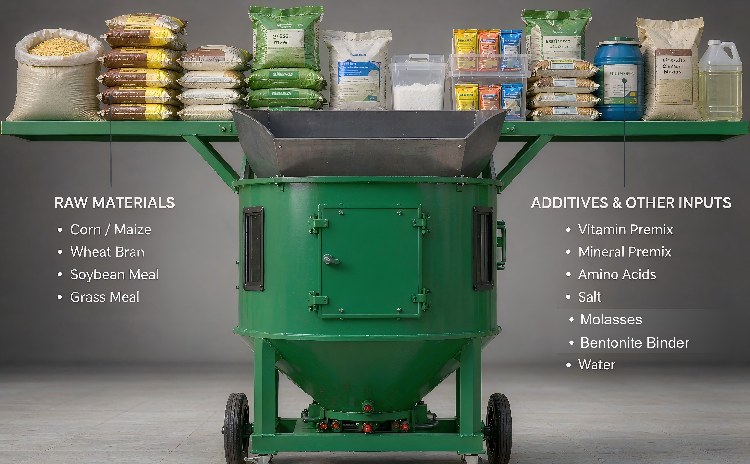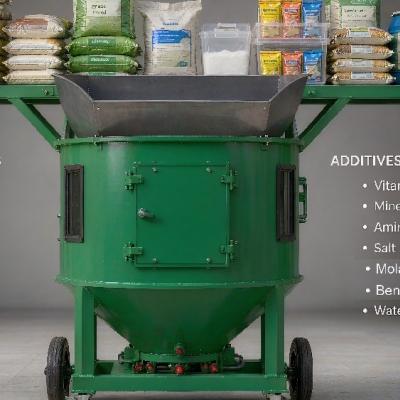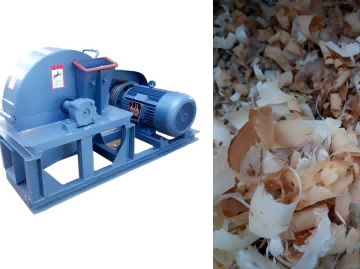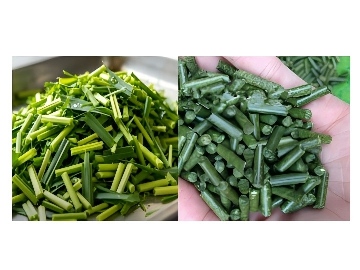

So what actually goes into the mixer? Nutritional additives come first: vitamin premixes, trace-mineral premixes, amino acids such as lysine and methionine, and salt, which corrects the shortages of plain grain. Binders and conditioning agents come next — molasses is the classic example, adding energy and palatability while helping particles stick together, while bentonite and starch improve pellet durability, and a small amount of water brings the blend into the moisture window the pellet mill needs. Many producers also add a little fat or oil for energy density and to reduce wear on the die, plus mold inhibitors and antioxidants so the finished pellets store safely, and enzymes or probiotics where the market demands them. (Wood and biomass pellets need no nutrition at all, but the same logic applies: when raw sawdust is low in natural lignin, a starch or molasses-based binder helps the pellets hold together.)
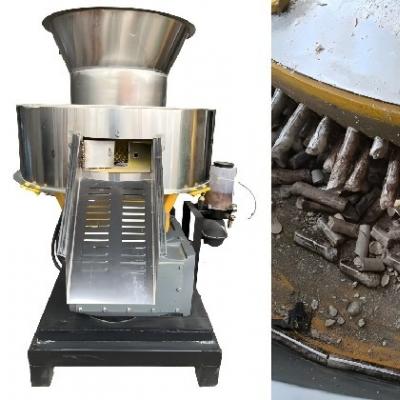
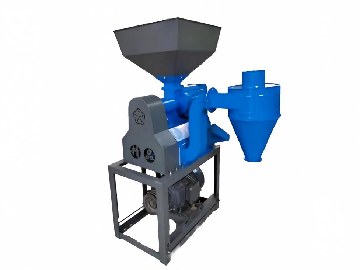
A few practical points make the mixing step work. Micro-ingredients should be pre-diluted into a premix before they enter the mixer, never dumped in by the spoonful, or they will not distribute evenly. The mixer should be filled to its designed batch size — overfilling leaves dead zones where material never gets blended — and its batch capacity should match the crusher upstream and the pellet mill downstream, so the whole line flows without bottlenecks. For small farms and rural workshops, a vertical feed mixer like the one in the photo is the compact choice: it self-feeds, occupies little floor space and handles a complete batch in one go, while larger plants often step up to horizontal ribbon mixers when liquid additions such as molasses are involved. From the mixer, the uniform, correctly moistened blend moves straight to the pellet mill — where, as we covered in our previous article on raw material moisture, hitting the right moisture window is what turns powder into dense, durable pellets.
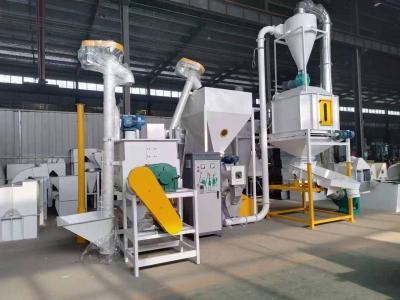
Since 1980, Weiwei Machinery has manufactured complete feed and biomass pellet production lines — crushers, mixers, pellet mills and cooling equipment — certified under ISO9001 with CE, SGS and TÜV approvals, backed by 19 patents and exports to customers across Asia, Africa and South America. Tell us your raw materials and daily output, and our engineers will help you configure a line where the crusher, mixer and pellet mill are properly matched from day one.