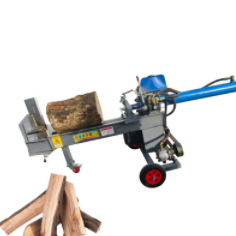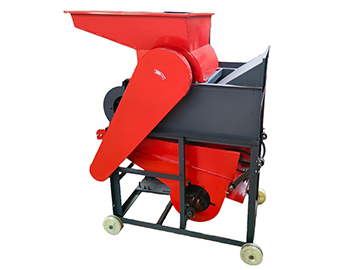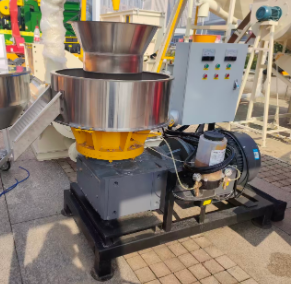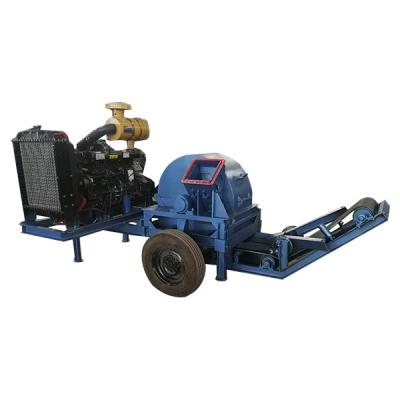

It is known that the common household power sockets in rural areas use 220V single-phase electricity, which is simple to connect, does not require additional account opening, and is the basic power source that every household has. Agricultural machinery equipment that is compatible with single-phase electricity has simple structure, affordable price, and convenient installation, and does not require circuit modification. It can be used as soon as the power is connected. However, the shortcomings of this type of machinery are quite obvious. The starting torque is small, the power is weak, and the stability is poor when running at high power, and it is prone to overheating and power consumption when operating under heavy load. The failure rate is also higher for long-term heavy-duty operations. It is only suitable for small-power and light-load agricultural equipment.
The 380V three-phase electricity belongs to industrial-level power supply and requires separate application for account opening and installation from the power department. It is not the original regular power source in the farmers' homes. The advantages of three-phase electricity machinery are prominent. It has strong power, large starting torque, and the equipment volume is smaller and runs more smoothly under the same power. It is less likely to overheat, consume less power, and have a longer service life when operating continuously for a long time. Its operation efficiency is far higher than that of single-phase electricity equipment, perfectly adapting to high-intensity and high-power agricultural production scenarios. The only drawback is that it requires dedicated power lines, and the circuit installation and renovation need to be completed in advance.
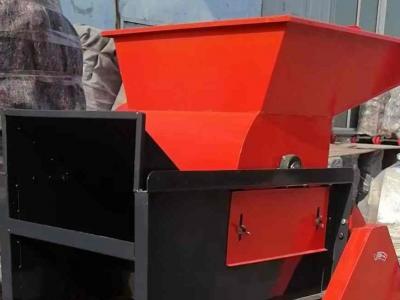
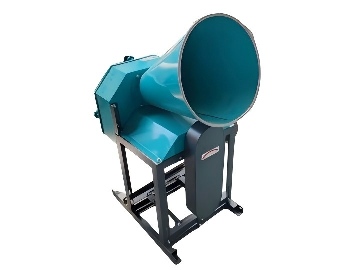
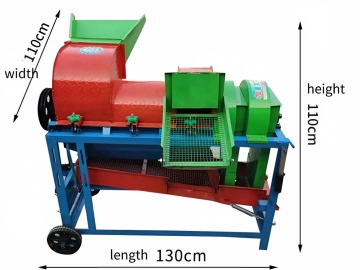
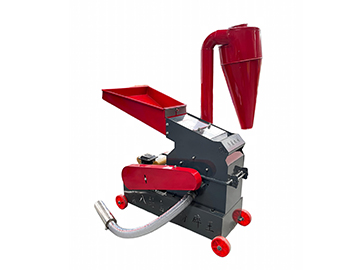
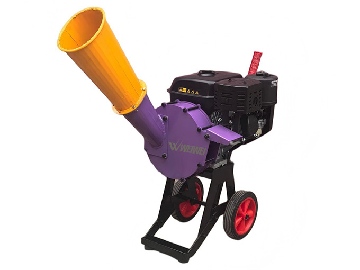
Based on the actual agricultural production, there are clear boundaries for the application of these two types of machinery. For small equipment with a power of 3 kilowatts or less, such as small water pumps, household crushers, small mixing machines, and micro threshers, the daily operation load is small and the usage frequency is flexible. Choosing single-phase electricity machinery can meet the needs first, without the need for additional circuit modification, and the cost is higher.
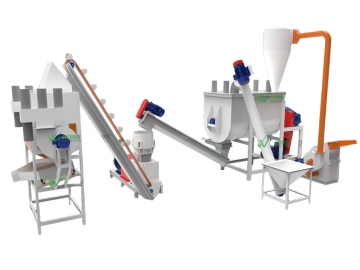
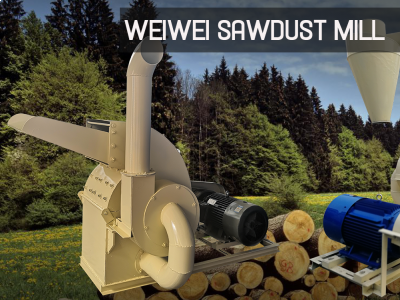
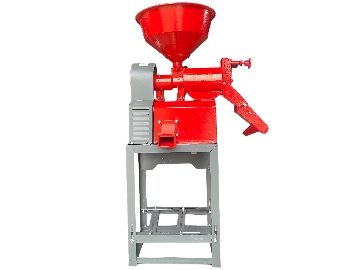
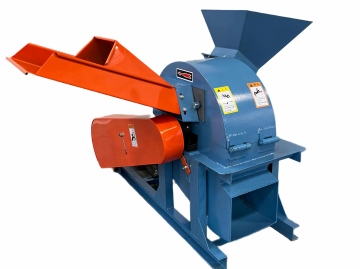
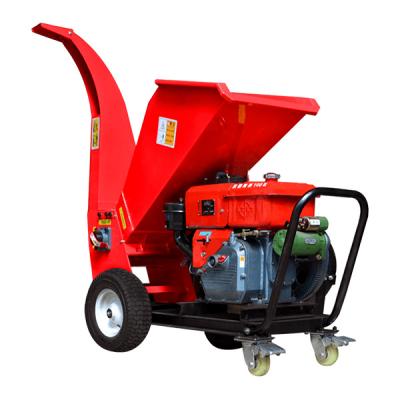
For large-power equipment with a power of 3 kilowatts or more, including large crushers, feed pellet machines, commercial rice mills, large-flow irrigation pumps, balers, etc., the equipment operation load is heavy and requires long-term continuous operation. It is necessary to choose three-phase electricity machinery. If you force a single-phase electricity machine to drive a high-power equipment, not only will the power be insufficient and the working efficiency be low, but it will also frequently trip, burn the motor, and even cause electrical safety hazards.
In response to the common power supply misunderstandings of farmers, industry experts remind that do not blindly believe that "single-phase to three-phase converter" can replace the regular three-phase electricity. The conversion equipment on the market is only suitable for slightly unloaded equipment and cannot support the heavy-load starting and continuous operation of agricultural machinery. It is very likely to cause equipment damage, resulting in a loss of value.
This reminds all farmers that before purchasing machinery, it is necessary to verify the power supply conditions of your home. If there is no three-phase electricity and only do small-scale agricultural work, prefer small single-phase electricity machinery; if engaged in large-scale planting, breeding, and agricultural product processing, and long-term use of high-power machinery, it is recommended to apply for three-phase electricity in advance and select three-phase electricity equipment. This can not only ensure the operation efficiency but also reduce the failure rate of the equipment, save production costs.