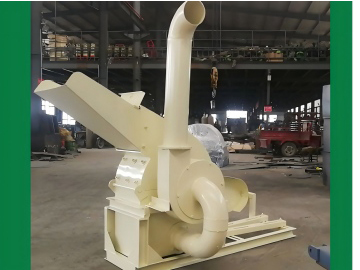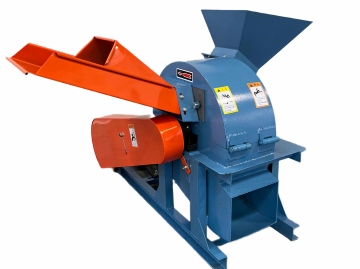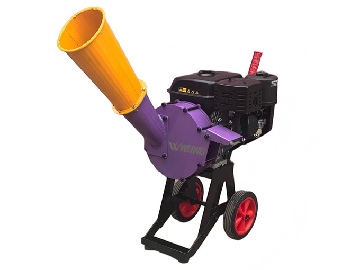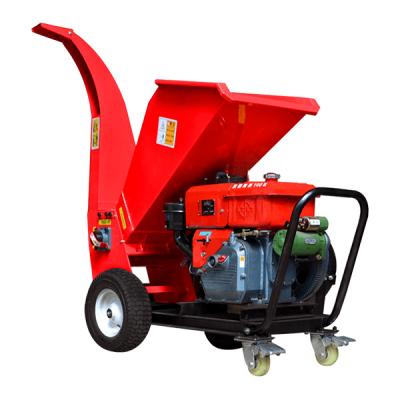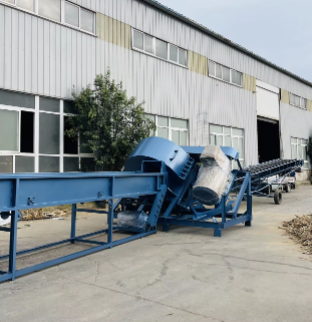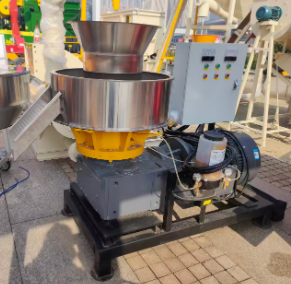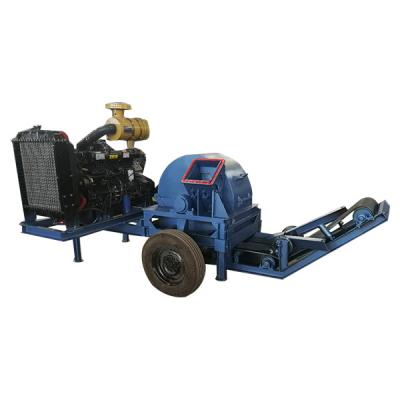

The SKJ range runs from the SKJ200 at 7.5 kW and 100-120 kg/h up to the SKJ450 at 45 kW and 600-700 kg/h, all flat die, all with two rollers running on the die face. The small end is a farm or workshop machine that runs on a domestic supply; the SKJ450 is a small commercial line that needs a proper three-phase supply and a cooling area.
Flat die geometry is what makes the range flexible. Material is pushed by the rollers from above into the holes, and the die thickness relative to the hole diameter, the compression ratio, is what builds pressure. Soft, low density material such as rice husk or straw needs a high ratio to reach density; clean pine sawdust needs less, or the die plugs and the rollers skid. That is why we ask for the material before quoting a die, and why a spare die is often a better second purchase than a bigger motor.
Three conditions sit in front of the die. Particle size: sawdust ground to 3-5 mm presses evenly, while long shavings bridge in the chamber and punch through in lumps. Moisture: 12 to 15 percent is the window, and on the wet side the pellets come out soft and steam in the box. Feed rate: the motor tells you when to stop pushing, because a machine fed too fast drops below working temperature and the pellets crumble.
After the die, the pellets still have to cool. A small line usually spreads them on a mesh floor for twenty minutes before bagging; a commercial line uses a counter-flow cooler. Bagging hot pellets is the most common reason a good batch arrives at the customer as fines.
The SKJ series is used on sawdust, wood shavings, straw, rice husk, peanut shell and palm fibre, usually feeding a small biomass fuel or bedding business. Zhengzhou Weiwei Machinery has been building this equipment in Henan since 1980, with CE and ISO9001 certification, and we match the die to your material before the order rather than after the first complaint.Most threshers are sold on one number, and that number is always maize. Maize is the easy crop: big cobs, hard grain, and a drum running fast enough to strip them will not hurt the kernel. Millet is the opposite. It is small, thin-skinned and light, and a maize drum throws half of it out of the back as broken grain and chaff. Soybean sits in between and is worse in one way, because a split bean is not a damaged bean, it is a lower grade at the buyer.
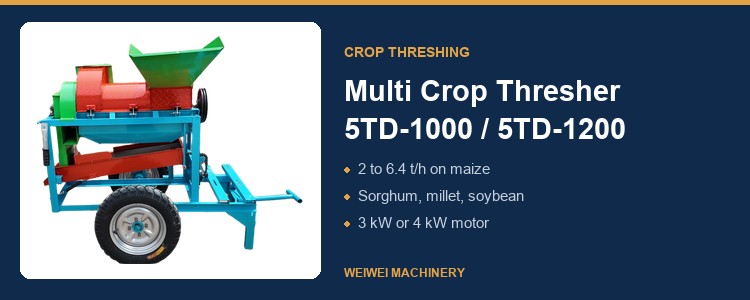
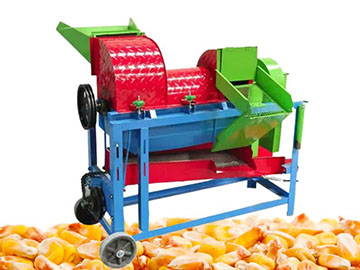
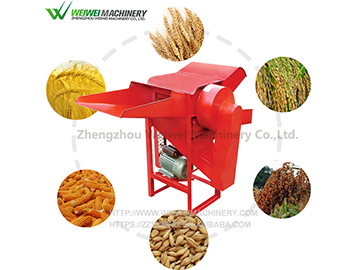
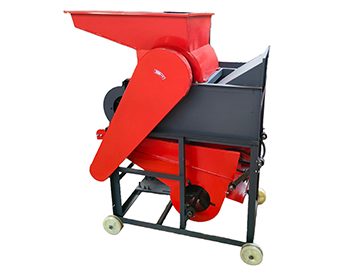
The 5TD range is built around changing settings rather than changing machines. The 5TD-70 is the small three kilowatt unit for wheat, rapeseed, soybean, sorghum and broomcorn at around 300 to 350 kg/h. The 5TD-1000 takes maize at 2000 to 4000 kg/h, sorghum at 800 to 1000, millet at 700 to 900 and soybean at 800 to 1000 on the same 3 kW motor. The 5TD-1200 lifts those figures to 4000 to 6400 kg/h on maize with a 4 kW motor, and it is the model most cooperatives choose when they thresh for several farms in a season.
Three things have to move when the crop changes. Drum speed comes first: sorghum and millet want a slower drum than maize, and running maize speed on millet is the single most common cause of a load of cracked grain. Second is the concave gap, the clearance under the drum, which is opened for cobs and closed for small grain so the crop is rubbed rather than beaten. Third is the screen set: the 5TD carries a set of screens and the outlet has to match the grain, or clean grain leaves with the chaff.
The cleaning side matters as much as the drum. Grain leaves the drum mixed with chaff, dust and broken straw, and a machine that threshes well but cleans badly still needs a second pass by hand. The 5TD units carry a blower and a set of sieves behind the drum, so the bag that comes off the outlet is ready to dry or to sell.
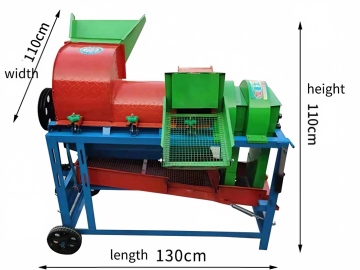
All of it sits on a two-wheel chassis with a tow bar, which is how these machines actually move: from field to yard, from farm to farm, behind a small tractor or a pickup. The 5TD-1000 weighs 82 kg and the 5TD-1200 100 kg; the diesel version of the 1000 adds a 150 kg engine and frame.
Zhengzhou Weiwei Machinery has built threshing and farm machinery in Henan since 1980, with CE and ISO9001 certification, and we match the drum, concave and screen set to the crops you actually grow rather than to a single season. Tell us your main crop and your daily tonnage through the website and we will confirm the model and the settings. Send the material, its moisture and your target tonnage through the website and we will specify the model and the die.
If you need any assistance, you can contact our company via WhatsApp at +86 13526462915 to obtain the quotation.