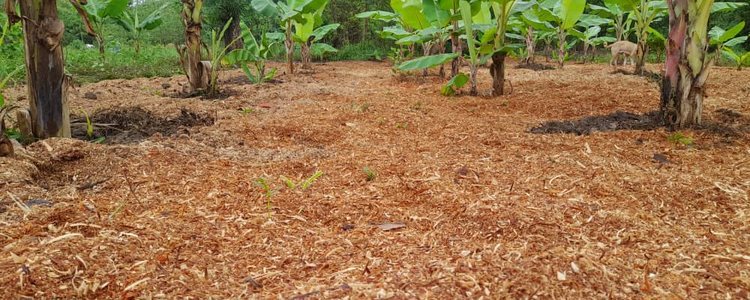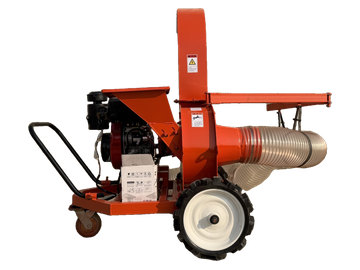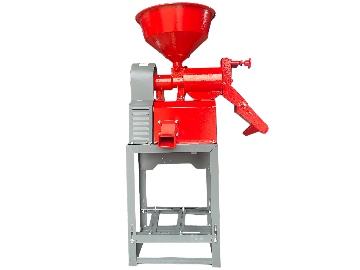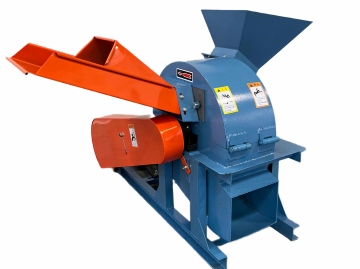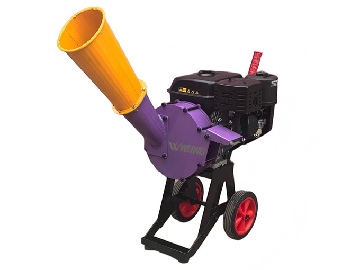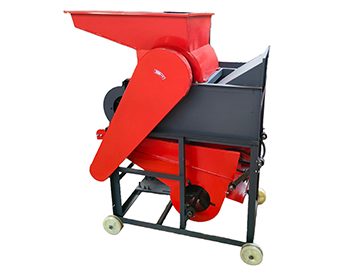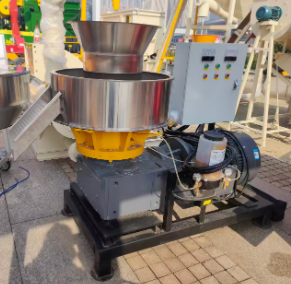

A shredder changes the arithmetic. Run the same material through a hammer mill or a branch chipper and it comes out as a loose, fibrous mulch that can be spread back between the rows in one pass. Spread at a reasonable depth, that layer does three jobs at once: it holds moisture in the root zone through the dry weeks, it shades out the weed strip along the plant line, and it slowly breaks down into organic matter instead of leaving the block as smoke.
The size of the shred matters more than the tonnage printed on the brochure. Too coarse and the pieces sit on the surface for a year without breaking down; too fine and the mulch blows away or mats into a crust that sheds water. Growers who spread by hand usually want a material that still shows fibre, roughly a thumb to a palm length. The screen or the blade set on the machine is what decides that, not the engine.
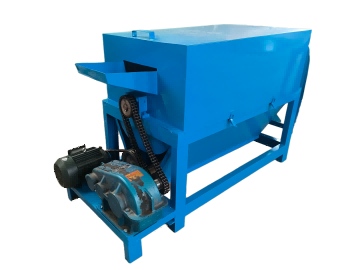
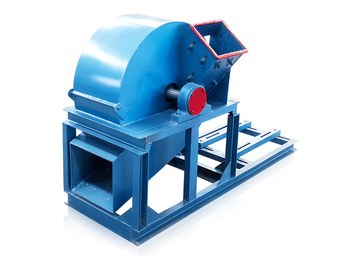
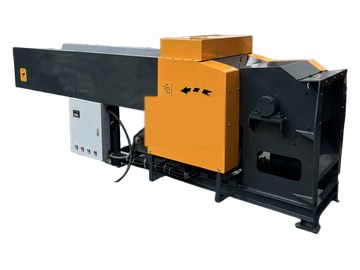
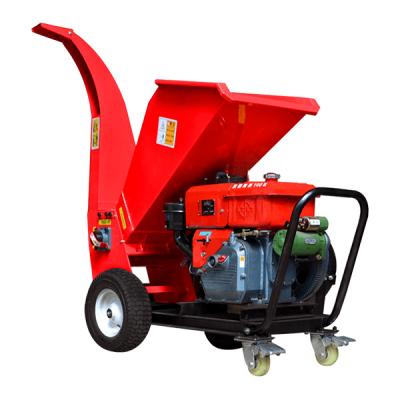
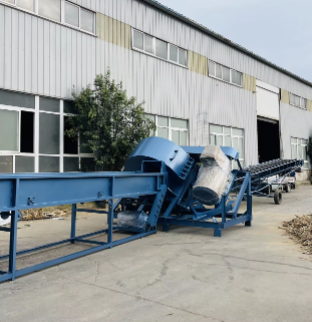
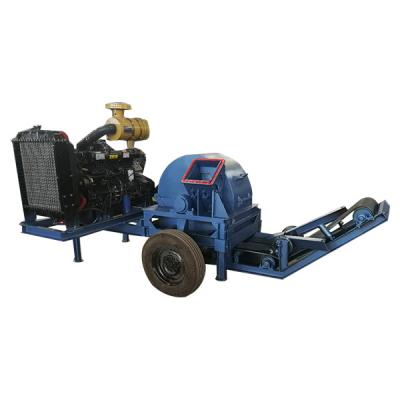
Machine choice follows the block, not the other way round. For a plantation where residue is scattered across several fields, a towable chipper that can be pulled behind a tractor to the windrow is the practical answer, and a diesel unit removes the need for a three-phase line at the edge of the estate. For a central composting yard, a fixed hammer mill with a cyclone and a dust collector will process a larger daily volume in one place.
Organising the job is the part that decides whether the machine earns its keep. Cut the stem into lengths that fit the hopper, push the residue into one windrow per block instead of leaving it scattered, and shred on the same day where possible, because wet fronds left in a heap for a week are much harder to feed. One operator feeding and one driver moving the mulch is a realistic crew for a mid-size block.
We have been building shredding and chipping equipment since 1980, and we supply both the towable machines and the fixed mills, with CE and ISO 9001 certification. Send us photos of your residue and the width of your rows, and we will tell you which machine and which blade set fits the job before you commit to a model.