
There is a use: ground date pits go into animal feed as a fibre filler, into compost, and in some markets into a low-caffeine coffee substitute and into briquette blends. The only step between the pile and those buyers is a mill that breaks the pit instead of bouncing it around the chamber.
Press cake and leaf waste are easier but bulkier. Press cake comes out of the extraction line wet and fibrous; leaf waste — the dried pinnae and the papery sheaths — is light, dusty and full of silica. All three want the same thing: a hammer-and-screen chamber with enough rotor speed to break the material and a screen fine enough to hold it in the chamber until it is small.
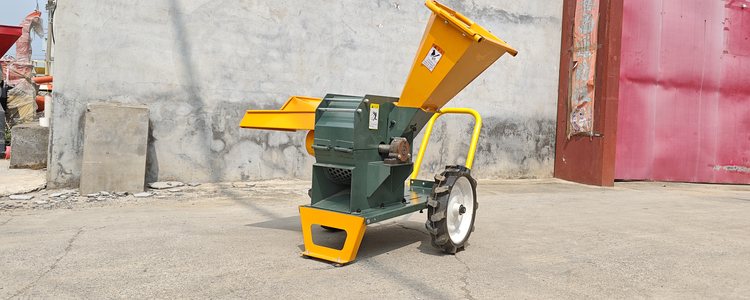
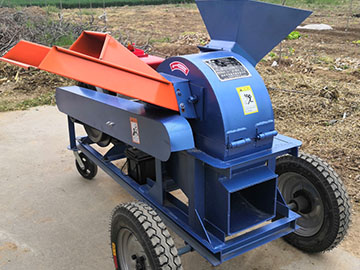
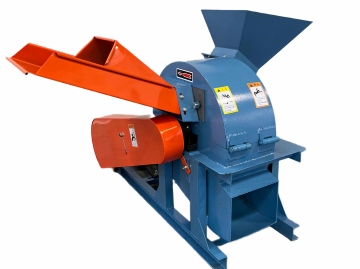
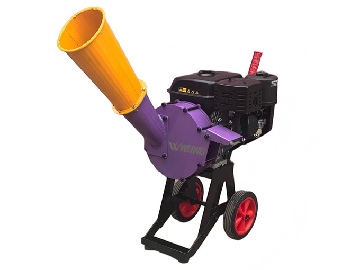
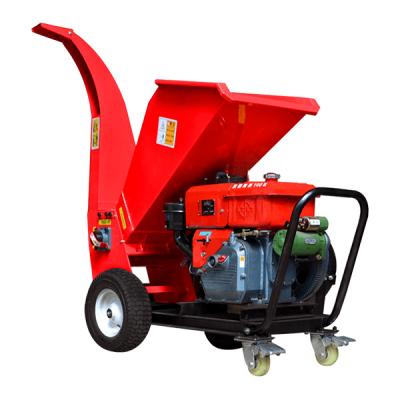
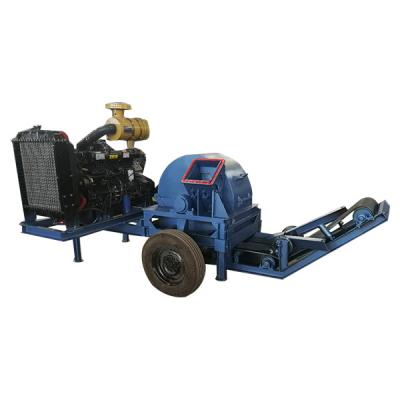
The MFJ-300 is the smallest machine in our wood crusher range and the one we send to plants that have a 10 kW supply rather than a 22 kW one. It sits on a steel frame with two wheels and a push handle, so it rolls out of the way when the yard is full. The screen under the rotor sets the output; 6 mm gives a feed-grade meal, 3 mm a finer powder for blending, and both are a ten-minute change.
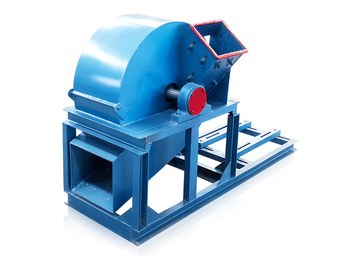
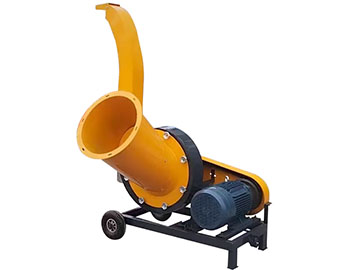
The limit worth knowing: if you handle more than about 1.5 t/h, or feed whole fronds and trunk sections rather than pits and cake, the MFJ-420 at 0.8–1.5 t/h and the MFJ-600 at 1800–2500 kg/h do the same job with a wider chamber and a bigger rotor.
Two practical notes from plants already running this. Pits want to be dry — 10 % moisture or below — or they smear instead of shattering, so a day in the sun on a concrete pad is worth more than a bigger motor. And leaf waste should go through separately from pits: the silica in the leaf blunts hammers quickly, and mixing the two means changing hammers on the pit schedule instead of on the leaf schedule.
Weiwei Machinery has been building crushers and hammer mills in Henan since 1980, with CE and ISO 9001 certification. Send us your daily tonnage and the three materials you handle and we will tell you which of the three sizes is the honest answer.