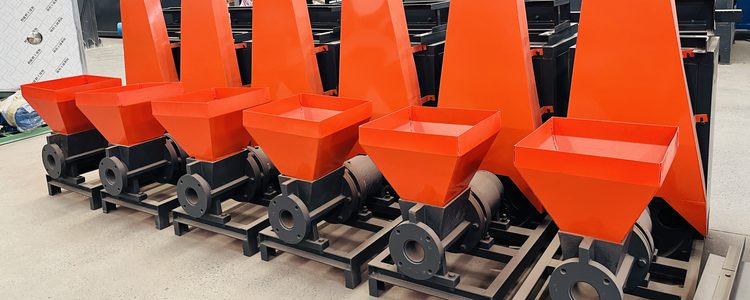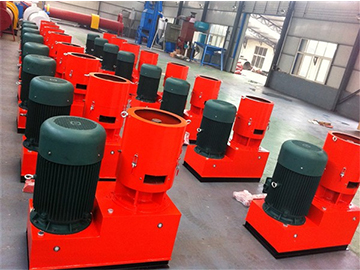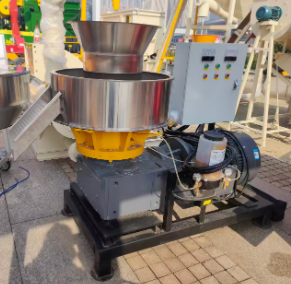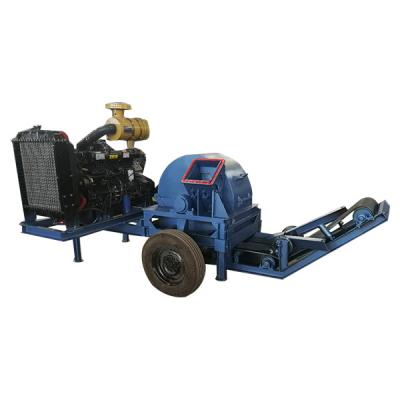

The sawdust briquette machine turns that heap into a product you can stack, weigh and ship. There are three models. The ZBJ-50A runs a 15 kW motor and produces 160–200 kg/h on a 1.5 × 0.6 × 1.6 m frame weighing 600 kg. The ZBJ-50B lifts capacity to 200–300 kg/h with 18.5 kW, on a shorter and wider 1.8 × 0.6 × 1.3 m frame at 700 kg. The ZBJ-70/80 uses the same 18.5 kW motor for 300–400 kg/h and a heavier 750 kg frame, because the larger die needs the extra mass behind it.
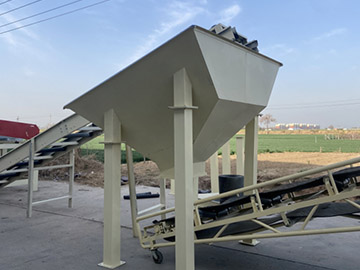
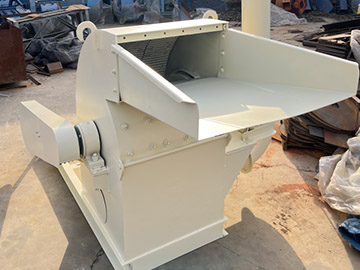
The working principle is compression, not chemistry. Material drops from the hopper into a screw propeller that is polished with a wear-resistant welding rod — that hard facing is what keeps the screw alive when the feed contains grit, and it is the part that decides how many thousands of tonnes you get before a rebuild. The screw drives the material through a tapered die, where pressure and the band heaters around the die head soften the lignin in the wood so the particles bond to each other. No glue, no binder, no pallet mill upstream.
The die decides what comes out. A 50 mm die gives the dense log that most biomass boilers and gasifier retrofits are built to take; 70 mm and 80 mm dies give the larger log that charcoal retorts and brick kilns load by hand. The length is set by the operator at the cut-off, so one machine can fill a bag, a crate or a container load without a second tool. Hollow and solid profiles are both available for the same body.
Feed moisture matters more than most buyers expect. Sawdust between roughly 8 % and 12 % bonds well; wet sawdust from a green-wood saw will bind for a minute and then crumble. If your material comes off a saw wet, plan the drying step before the press, not after.
Weiwei Machinery has built farm and biomass machinery in Zhengzhou since 1980, holds CE and ISO 9001, and ships to Africa, Southeast Asia, South Asia and South America. We quote the model against your actual hourly arisings and your finished-briquette spec — tell us what you are pressing, how wet it is and what size log your boiler takes.
Send your material type, moisture and target output on WhatsApp and we will come back within 24 hours with the model, the die size, the motor for your voltage and a delivered price. The full biomass range is on our homepage.